
Buy Bulk Ammunition and Slash Your Cost Per Round Today
Most shooters never realize that bulk ammunition isn’t a downgrade—it’s the identical factory-loaded rounds you’d buy in boxes, just packed loose in larger quantities to cut packaging waste and per-round cost. By purchasing 500 or 1,000 rounds at .50 Cal Ammo for Sale once, you’re paying for the brass, powder, primer, and projectile alone, not the overhead of dozens of tiny cardboard boxes. This simple shift in buying strategy slashes your price per round by 20–30% while preserving flawless feeding, accuracy, and reliability in your firearm. Load your mags from a bulk ammo can just as you would from a box, and you’ll never notice the difference—except in your wallet’s favor.

Why Buying Ammo in Quantity Actually Saves You Money
Buying bulk ammunition delivers immediate, tangible savings through volume discounts, where per-round costs drop significantly as case sizes increase. Retail pricing on single boxes carries a markup meant to cover handling, labeling, and shelf restocking—expenses that vanish with a crate of 500 or 1,000 rounds. Bulk ammunition also slashes shipping costs, since you pay one flat rate per order rather than repeatedly for small packages. Additionally, purchasing in quantity shields you from price creep on your specific caliber, as manufacturers often raise prices quarterly while your stash remains locked at the lower rate. And because range trips become less expensive per trigger pull, you’ll practice more for the same budget, which improves accuracy and reduces wasted shots. Whether you shoot competition, defense drills, or plinking, 9mm Ammo for Sale buying ammo in bulk transforms a recurring expense into a strategic investment with immediate returns.

Understanding the Per-Round Price Break You Get With Large Orders
The core financial advantage of bulk ammunition lies in the per-round price break scaling with order size, a tiered discount structure where the unit cost drops at specific quantity thresholds. This happens because a manufacturer’s fixed overhead—packaging, handling, and shipping logistics—remains relatively constant whether you order 200 or 2,000 rounds, so the savings are distributed across more units. To maximize value, you must identify the exact point where the marginal price reduction plateaus; buying past that sweet spot often yields pennies in savings while tying up significant capital. Comparing the price per round between a 50-box, a 500-round case, and a 1,000-round crate reveals the actual breakpoints, but you should always calculate the delivered cost, as heavy ammo’s shipping fees can erode a nominal discount.
- Always divide the total invoice amount by the round count to find the true effective per-round price, not just the sticker discount.
- Check if the price break occurs at pallet-quantity levels (e.g., 4,000 rounds) where freight becomes free, further lowering your unit cost.
- Verify whether the discount is a fixed percentage per tier or a negotiated flat rate, as this changes how much you save at each incremental step.
When the Upfront Cost Is Worth It vs. Buying Box by Box
The upfront cost of bulk ammunition is worth it when your monthly range trips consistently exceed one thousand rounds, as the per-round savings typically offset the initial outlay within two to three sessions. If you shoot sporadically—say, a single box every few months—the capital tied up in a case purchase is better left in your wallet. However, for regular drills or competition practice, buying by the case is cost-effective bulk ammunition purchasing because you avoid the recurring retail markup on individual boxes, which can be 15–25% higher. The break-even point hits faster than most assume: just four or five boxes of defensive ammo equal the price difference of a 500-round bulk order.
Q: When is the upfront cost not worth it versus buying box by box?
A: If you are testing a new firearm for function 9.3x62mm Mauser Ammo for Sale or only need a few rounds for a specific hunt, box-by-box buying avoids waste and lets you sample different loads without committing to a case.
What to Look For in a Bulk Ammo Order Before You Hit Checkout
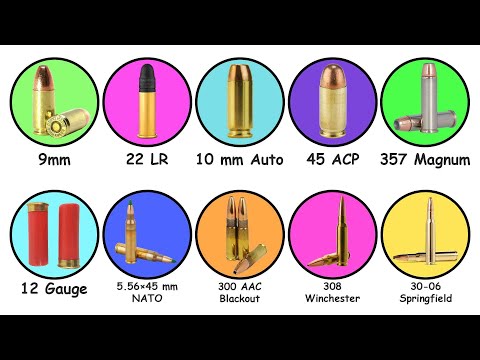
Before you hit checkout on a bulk ammunition order, verify the cartridge specifications match your firearm’s chamber exactly—a 5.56 NATO round in a .223 Remington barrel risks pressure issues. Check the projectile weight and bullet type against your intended use; 55-grain FMJ is fine for plinking, but hunting demands controlled-expansion rounds. Inspect the listed muzzle velocity and ballistic coefficient for consistency across the lot, as bulk batches can vary. Confirm the primer type—non-corrosive Boxer primers are essential for reloadable brass. Also, examine the packaging for sealed, moisture-resistant containers and a clear manufacture date; older stock may degrade. *A lower price per round means nothing if you sacrifice functional reliability for your specific platform.* Finally, calculate shipping weight and hazmat fees before checkout—they can negate bulk savings. Only order what you can store safely in a dry, cool location.
Checking Headstamp Consistency and Lot Numbers for Quality Control
Before committing to a bulk ammunition purchase, inspect the headstamps on a sample of cartridges from different boxes or cases. Consistent headstamp markings—the manufacturer’s logo, caliber designation, and case material code—indicate a single production source, whereas mixed headstamps suggest repackaged or blended lots that may vary in pressure and accuracy. Additionally, verify the lot numbers printed on the packaging match across all containers. Identical lot numbers ensure uniform propellant charges, primer sensitivity, and case dimensions, which is critical for maintaining predictable ballistics and reliable cycling. If you receive multiple lots, segregate them for separate range sessions to avoid unexpected point-of-impact shifts.
Headstamp consistency and lot number verification are your first line of defense against inconsistent performance in bulk ammunition.
Q: Why should I check lot numbers on bulk ammo?
A: Same lot numbers guarantee identical manufacturing parameters, so every round should perform nearly identically, which is essential for accurate sighting and reliable function.
New, Remanufactured, or Surplus: Which Bulk Option Fits Your Needs
When buying bulk ammunition, your choice among new, remanufactured, or surplus options hinges on your intended use and budget. New rounds offer consistent performance and reliable ignition, ideal for carry or competition. Remanufactured ammunition, assembled from once-fired brass, costs less but demands you verify the processor’s quality control; inspect for proper crimping and uniform case length. Surplus ammo boasts the lowest price per round but is often older, corrosive-primed, or variable in accuracy—check the headstamp and storage condition before committing. For high-volume practice where pinpoint precision isn’t critical, remanufactured or surplus saves money; for defensive or match-grade use, stick with new factory loads. Always sample a small batch first to confirm function in your firearm.

New offers reliability; remanufactured balances cost and quality; surplus maximizes savings but check condition—choose based on your shooting purpose.
Packaging Types That Protect Your Rounds During Long-Term Storage
For long-term bulk ammo storage, the packaging type directly dictates your rounds’ survival. **Airtight, resealable ammo cans** with rubber gaskets are the gold standard, as they block humidity and prevent oxidation. While cardboard boxes are fine for short-term transport, they absorb moisture and allow corrosion. For bulk quantities, 50-caliber metal or heavy-duty polymer cans offer stackable, sealed protection. Vacuum-sealed mylar bags with desiccant packs provide an additional barrier inside 9×18 Makarov Ammo for Sale bulk crates, safeguarding primer pockets and powder from humidity. Avoid loose bagged ammo, as friction between rounds can damage casings over years. A sealed, rigid container system is non-negotiable for preserving ballistic integrity.
How to Choose the Right Caliber and Bullet Weight in Bulk
Choosing the right caliber and bullet weight for bulk ammunition starts with matching the round to your specific firearm’s purpose, not just price per round. For high-volume training, select a caliber you can shoot accurately and comfortably, like 9mm for pistols or .223 Remington for rifles, ensuring consistent practice without fatigue. When buying bulk, prioritize bullet weight that mirrors your defensive or competitive loads—bullet weight directly impacts recoil, trajectory, and terminal performance. Heavier projectiles, such as 147-grain 9mm, offer subsonic suppression compatibility and deeper penetration, while lighter rounds produce flatter 7mm Rem Mag Ammo for Sale trajectories for long-range drills. Verify your barrel’s twist rate; slower twists favor lighter bullets, faster twists stabilize heavier ones. Always test a small sample box before committing to bulk, confirming flawless feeding and accuracy, then buy a caliber and weight that your gun reliably cycles. This ensures your bulk investment delivers both savings and consistent performance.
Matching Grain Weight to Your Firearm’s Twist Rate and Purpose
When buying bulk ammunition, matching grain weight to your firearm’s twist rate dictates whether your rounds stabilize or tumble downrange. A 1:7 twist handles heavier 62–77 grain projectiles for long-range precision, while a 1:12 twist prefers lighter 55 grain loads for fast, flat trajectories. For hunting, select bonded or soft-point bullets in the grain weight your barrel’s rifling spins best; for competition, test 3–5 grain options to find the tightest group before committing to a case. *A mismatch—say, 75 grain match rounds in a slow twist—will erode accuracy and waste bulk purchases.*
Q: Why does twist rate force me to choose a specific grain weight in bulk?
A: Too slow a twist fails to stabilize long bullets, causing keyholing; too fast a twist can over-stress thin-jacketed varmint rounds. Match bulk grain to your barrel’s pitch (e.g., 1:8 for 69 grain, 1:9 for 62 grain) and your purpose—paper, steel, or game—then buy that weight in volume for consistent performance.
Full Metal Jacket vs. Hollow Points: Balancing Cost and Performance in Bulk
When buying bulk ammunition, the FMJ vs. hollow point decision really comes down to dollars versus purpose. Full metal jacket rounds are almost always cheaper per round, making them ideal for high-volume range days and practice where you’re just burning through boxes. Hollow points cost noticeably more, but they expand on impact, giving you reliable stopping power for defensive loads. For bulk orders, you often mix both: stack a case of FMJs for training, then a smaller box of hollow points to verify your carry gun feeds them flawlessly. Skimping on defensive ammo to save a few cents is a trade-off you’ll likely regret.

- FMJs win on cost per round, especially at 500+ case quantities.
- Hollow points perform better for self-defense but demand a premium.
- Test hollow points in your specific firearm before committing to a bulk box.
- Keep bulk FMJ for practice, reserve hollow points for carry or home defense.
Storing Large Quantities of Ammo to Keep It Reliable for Years
Storing bulk ammunition for the long haul is all about controlling moisture and temperature swings. Your ammo cans are the first line of defense, but bulk ammunition in factory boxes needs extra protection inside them. Toss in desiccant packs and seal the cans tightly; silica gel that changes color when saturated tells you exactly when to swap them out. Keep everything off a concrete floor—a wooden pallet works great—to avoid wicking dampness. A stable, cool environment beats a perfectly dry but hot one, so avoid attics or garages where temps spike. Rotate your stock by shooting the oldest first, keeping your freshest bulk ammo sealed for years of dependable function. That simple habit ensures your stored rounds go bang when you finally need them.
Controlling Humidity and Temperature for Long-Term Shelf Life
For bulk ammunition, long-term shelf life depends on strict climate control, as humidity drives corrosion and temperature accelerates propellant degradation. Keep storage areas below 70°F, ideally 60–65°F, since every 10°F increase roughly doubles chemical reaction rates in primers and powder. Maintain relative humidity between 30% and 50%; above 60%, moisture condenses on brass and steel cases, promoting rust and seal failure. Use desiccants like silica gel in sealed ammo cans, but recharge them regularly. Avoid temperature swings 6mm Remington Ammo for Sale exceeding 15°F daily, as cycling causes condensation inside packaging. Store ammo off concrete floors on wooden pallets to prevent wicking moisture, and never place containers near exterior walls where thermal bridging occurs. For years-long reliability, monitor conditions with a digital hygrometer and thermometer monthly, adjusting ventilation or adding moisture absorbers proactively.
Keep bulk ammo at 60–65°F with 30–50% humidity in 9.3x72R Ammo for Sale sealed, desiccant-treated containers, avoiding thermal cycling to prevent corrosion and powder breakdown.
Using Ammo Cans, Desiccants, and Rotation Systems Effectively
To keep bulk ammo viable for decades, start with military-surplus cans, whose rubber gaskets create a hermetic seal that blocks humidity. Inside, deploy indicating desiccant packs—recharge them in an oven when the color shifts—to eliminate residual moisture before sealing. Never rely on a single safeguard: pair desiccants with a strict **rotation system**, labeling each can with purchase date and lot number, then shelving older stock forward. Pull from the front quarterly and re-seal promptly. This discipline prevents corrosion on brass and primers, ensuring your investment shoots flawlessly year after year.
Q: How often should desiccants be replaced within a rotation system? Recharge them every six months or whenever the indicator changes color, aligning the task with your quarterly ammo rotation for airtight, reliable storage.
Practical Tips for Plinking, Training, and Competition With Bulk Rounds
For plinking, sort bulk rounds by lot or headstamp beforehand to avoid point-of-impact shifts caused by inconsistent powder charges or bullet weights. During training, run a specialty sports and supply fouling shot or two after switching to a fresh box, as bulk ammunition often leaves variable copper or carbon deposits that alter zero. In competition, chronograph a sample from each case to identify velocity extremes, then sight in using the average—this prevents wasted time adjusting for flyers. Always inspect the first ten rounds for setback or deformed cases, since bulk packaging can induce damage that causes feed failures. Reserve your tightest-lotted bulk ammo for match stages, not practice drills, stretching your best consistency when it matters. However, the mechanical repeatability of your firearm often matters more than the ammo’s pedigree at practical distances. Finally, store bulk rounds in sealed containers with desiccant, as humidity degrades primer sensitivity and velocity uniformity over time.
Setting Up a Practice Plan to Get the Most Out of a Case of Ammo
To maximize a bulk ammo purchase, structure your practice around a progressive drill system that openly accounts for round count. Begin by allocating a strict 20% of the case to diagnostic work—zeroing optics, confirming velocity, and establishing a baseline group size at fixed distances. Reserve the next 40% for high-repetition, low-information drills like draw-and-fire or reload practice, where you burn volume to ingrain motor patterns. The final 40% must be assigned to scored, purpose-driven sessions—shot timers, movement, or failure drills—tracking hits per box to compare efficiency. Log every 50-round block, noting malfunctions or accuracy drop-off, since bulks vary lot-to-lot. Never mix practice philosophies mid-session; separate “awareness” rounds from “performance” rounds physically, using distinct magazines or boxes. This planned depletion ensures raw volume converts into measurable skill, not just noise.
Divide the case into fixed percentages for diagnostics, high-rep drilling, and scored performance, then log results per 50-round block to convert bulk ammo into measurable skill growth.
How to Load Magazines Efficiently and Manage Recoil Over Long Sessions
For bulk round throughput, load magazines efficiently Ammunition for Sale by using a speed loader or thumb-pressing rounds in a consistent two-step index—align the cartridge base against the rear spine, then slide forward and down. Avoid loading loose rounds from a box; instead, keep them in a shallow tray or dump pouch for one-handed retrieval. To manage recoil over long sessions, distribute bulk ammo’s cumulative impulse by shifting your support-hand grip slightly forward on the forend and locking your wrists. Use a firm but relaxed shoulder weld, letting the firearm cycle naturally rather than resisting each shot. Alternate between rapid-fire strings and slow, deliberate pairs, and periodically depress the mag release to relieve spring tension. This preserves accuracy, minimizes flinching, and sustains recoil control without fatigue.
How to Spot a Good Deal on Ammo in Bulk and Avoid Common Pitfalls
When scoring bulk ammo, first calculate the true cost per round, not just the total price, and compare that against current average prices for the same brand and grain weight. A screaming deal on unknown remanufactured rounds is often a trap, so stick to reputable manufacturers or factory-new brass to avoid malfunctions and warranty headaches. Watch for inflated shipping or hazmat fees that silently kill a great per-round price, and always factor those into your final math. Sometimes paying a few cents more per round for a trusted load is cheaper in the long run than troubleshooting a jammed rifle. Finally, check the lot number and manufacture date if listed—old stock can be fine, but corroded primers or dented cases signal poor storage. Skip anything that looks repackaged or lacks clear labeling, and only buy what you can realistically store dry and cool.
Calculating True Cost Per Round With Shipping and Taxes Included
To calculate true cost per round, divide the **total landed cost**—ammo price, shipping, and applicable taxes—by the number of rounds. Do not rely on the advertised per-round price, as it excludes fees. For example, a case at $0.40/round with $25 shipping and $15 tax becomes $0.45/round for 800 rounds. Always compare quoted vs. actual per-round figures across vendors, since heavy or remote shipments skew results. Factor in any per-order handling charges. Finding cheap bulk ammo requires 7mm Rem Ultra Mag Ammo for Sale computing the final delivered price, not the base sticker. Q: Should I include sales tax if not shown at checkout? Yes—estimate it, because untaxed orders may trigger use tax later, altering your math.
Red Flags in Bulk Ammo Listings: Bad Primers, Corrosion, and Misfeeds
When you’re scanning bulk ammo listings, spotting bad primers, corrosion, and misfeeds is your first line of defense. Check the primer pocket photos—sunken, cratered, or missing primers scream batch issues, often from sloppy reloads. Look for green or white crust on case mouths or rims; that’s oxidation, which can jam your chamber and cause pressure spikes. For misfeeds, read reviews for repeated stovepipes or failure-to-feed patterns. Here’s a quick sequence:
- Zoom into case heads for discoloration or dents.
- Ask the seller about storage humidity and lot consistency.
- Compare the price per round against the condition—too cheap often means corroded stock.
Trust your gut; a listing that hides clear photos usually hides real problems.
When to Split an Order With Friends to Reach Higher Volume Discounts
Splitting a bulk ammunition order with friends becomes practical when the price-per-case drops significantly only at a tier you cannot personally justify, such as moving from a 500-round flat to a full 1,000-round pallet. Coordinate only after confirming shipping costs don’t erode the savings, and ensure everyone pays upfront to avoid collection issues. This works best for volume discount thresholds where the marginal saving exceeds $0.02 per round, and when all parties need the same caliber and grain weight—mixing specs defeats the purpose. Avoid splitting for small differences (under 5%) or when freight is calculated per box, not per pallet.
Q: When should you split an order with friends?
A: Only when the per-round savings from the higher tier covers split shipping and you all agree on exact cartridge specifications before checkout.